
Online Learning Platforms: A Plain-Language Guide to How They Work
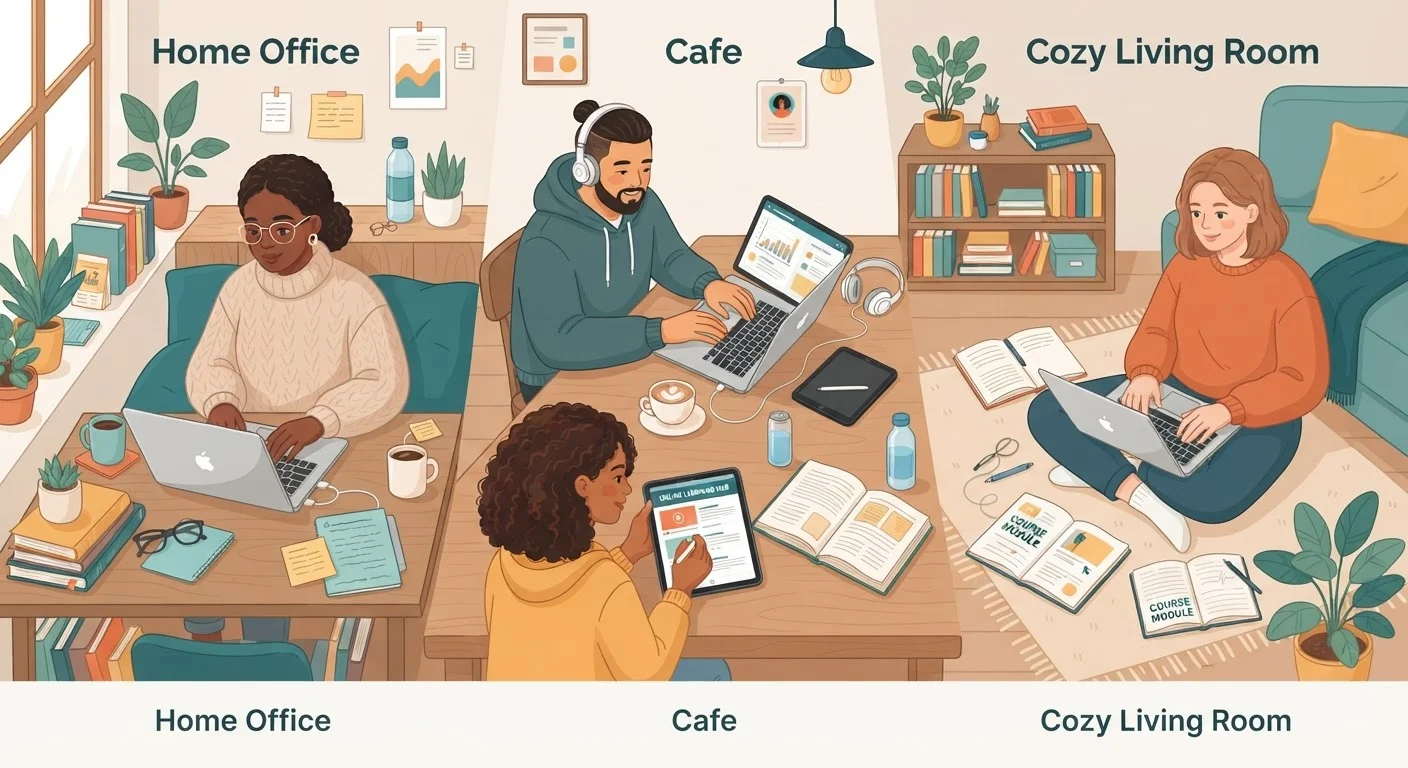
Photo credit: FaqBulletin.com | Information Made Easy
In this article
MOOCs, cohort courses, bootcamps, and more — explained without jargon so you can match the right format to your goals.
Key Takeaways
- Online learning platforms vary widely - MOOCs, cohort courses, bootcamps, and subscription libraries each serve different goals.
- Certificates from online platforms differ significantly from accredited academic credentials; it matters which you earn.
- Matching the format to your schedule and learning style is as important as the subject matter itself.
- Self-paced courses offer flexibility, but structured programs with deadlines tend to produce higher completion rates.
- Always verify what a credential signals to employers before investing significant time or money.
What Is an Online Learning Platform?
An online learning platform is a website or app that delivers educational content - video lessons, readings, quizzes, projects, and sometimes live sessions - over the internet. Unlike a traditional classroom, you access the material on your own device, often on your own schedule.
The term covers an enormous range of products. Some platforms host thousands of courses across every subject imaginable. Others focus tightly on one domain, such as coding, design, or business. A few partner directly with universities to offer credit-bearing programs. Understanding those differences is the first step to using them well.
If you're new to teaching yourself something systematically, our overview of self-directed learning from start to finish covers the broader mindset and habits that make any platform more effective.
The Main Formats Explained
Not all online courses are built the same way. Here are the formats you'll encounter most often:
- MOOCs (Massive Open Online Courses): Large-scale courses, often free to audit, designed for thousands of simultaneous learners. Grading is typically automated. Completion rates tend to be low because there's little accountability built in.
- Self-paced courses: Pre-recorded video lessons you move through on your own timeline. Common on subscription-based platforms. Best for motivated learners who don't need a fixed schedule.
- Cohort-based courses: Structured programs where a group of students starts and finishes together, usually over weeks or months. Includes live sessions, peer feedback, and deadlines - the format closest to a traditional class.
- Bootcamps: Intensive, short-term programs (typically eight to twenty-four weeks) focused on job-ready skills, most commonly in technology or data fields. Often the most expensive option, with varying quality and outcomes.
- Subscription libraries: A monthly fee grants access to a large catalog of courses. Flexible and affordable for broad exploration, but easy to browse without actually finishing anything.
- Microlearning modules: Very short lessons - sometimes just five to ten minutes - designed to fit into a busy day. Our piece on microlearning's real advantages and limitations examines when this format genuinely works.
How Credentials and Certificates Work
When you complete a course, most platforms issue some form of certificate. What that certificate actually represents varies considerably.
Audit Before You Buy
Many platforms let you access course videos for free in 'audit' mode before purchasing a certificate. Use this option to evaluate the instructor's teaching style and the course structure before committing any money. A few hours of free preview can save you from a poor fit.
Platform certificates confirm you completed a specific course or program on that platform. They are not academic credentials and are not regulated. Their value depends entirely on how employers in your field view them.
Professional certificates are multi-course programs, sometimes developed with industry partners, designed to signal job readiness in a specific role. They carry more weight than single-course completions, but still sit below accredited degrees.
Credit-bearing programs are courses formally approved for college credit by an accredited institution. These are less common and require verification before you assume credits will transfer anywhere.
For a plain-language breakdown of how accreditation and degree types fit together, see our guide on higher education terminology every family should know. For a deeper look at how online credentials are perceived, our article on online degrees and employer perception is worth reading before you commit to a longer program.
Matching a Format to Your Goals
The right format depends on three things: what you want to achieve, how much time you can realistically commit, and how much accountability you need to stay on track.
| Your goal | Format likely to fit |
|---|---|
| Explore a new subject casually | MOOC or subscription library |
| Build a specific job skill quickly | Self-paced course or professional certificate |
| Change careers or enter a new field | Bootcamp or cohort-based program |
| Earn academic credit | Credit-bearing platform program or community college |
| Learn in short daily sessions | Microlearning modules |
If you tend to start courses and not finish them, a cohort format with built-in deadlines and peer interaction will generally outperform a self-paced option - research on online course completion consistently points to social accountability as a meaningful factor.
Building a structured plan before you enroll is also worth the effort. Our guide to building a personal learning plan can help you map your goals to a realistic schedule.
Common Pitfalls to Watch For
Online learning platforms are widely accessible, but that openness comes with risks worth knowing about before you spend time or money.
Credential Value Varies Widely
Not every online certificate carries equal weight with employers or academic institutions. Before enrolling in any paid program, research how that specific credential is regarded in your target field or industry. When in doubt, reach out to professionals already working in that area to ask what they'd value on a resume.
- Assuming all certificates are equal. A certificate from a platform that partners with an accredited university differs fundamentally from one issued by a platform acting alone. Research what the credential means before you rely on it professionally.
- Underestimating the time required. Estimated completion times on course pages are often optimistic. Factor in review, practice, and any projects when planning your schedule.
- Paying for access you won't use. Subscription libraries can feel like a bargain until months pass without meaningful progress. Audit a course for free when possible before purchasing.
- Skipping the vetting step. Not all instructors or course designs are high quality. Check our checklist of questions to ask before enrolling in any online course before committing.
Online platforms are a genuine tool for adult learning - but like any tool, they work best when chosen deliberately for the job at hand.
Frequently Asked Questions

Author
Education Editorial Team
Education Editorial Team is the collective byline for our editorial team and contributor network. Articles published under this byline or an editorial pen name are researched, written, and reviewed according to our editorial standards for clarity, consistency, and independence before publication.
View all articles →